
Toyota 4Runner Common Problems: Reliability, Lifespan & Best Years
Reviewed by Eric Shepherd, ASE-Certified Technician (and Gemba’s Accidental Social Media Star!)
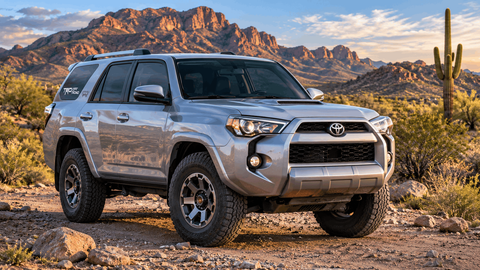
The Toyota 4Runner has earned a loyal following for its durability, reliability and off-road capabilities. Whether you’re commuting through Phoenix, taking the family to soccer practice or exploring the trails around Four Peaks, the 4Runner has a reputation for being built to last.
Well-maintained Toyota 4Runners can reach 200,000 miles or more, but even these dependable SUVs develop mechanical problems as they age. Suspension wear, cooling-system issues, oil leaks and drivetrain concerns are among the things owners and prospective buyers should watch for.
Whether you’re shopping for a used 4Runner or trying to keep your current one running for years to come, here’s what you should know about common Toyota 4Runner problems, reliability by generation and long-term maintenance.
How Reliable Is the Toyota 4Runner?
The 4Runner’s traditional body-on-frame design and established powertrains have helped build its reputation for durability. Its longevity, however, depends on maintenance, operating conditions and the condition of the individual vehicle.
The fifth-generation Toyota 4Runner, spanning the 2010 through 2024 model years, is particularly popular among used-SUV buyers. Its naturally aspirated 4.0-liter V6 engine and five-speed automatic transmission remained largely unchanged throughout its 15-model-year production run, despite updates to styling, technology and safety features.
That said, reliability ultimately depends on how the vehicle was maintained and driven. If the 4Runner daily commutes around the pavement jungle that is Phoenix, it won’t have the same kind of wear and tear as one that is regularly driven to Four Peaks every weekend or tackled the Staircase in Sedona. And either of those probably won’t have the same wear as one that has spent its life towing or four-wheel driving on slick, salty, snowy roads.
Does Reliability Change by Generation?
Given that each generation of 4Runner is different, it makes sense that reliability also changes depending on the generation you are looking at. While the fifth gen has gone so unchanged for so long, other generations have seen different engines, transmissions and suspension.
Plus, older 4Runners have decades of ownership history, which can make potential mechanical concerns easier to evaluate. The sixth gen on the other hand, which was introduced for the 2025 model year, doesn’t have much history to it yet and it introduced a newer turbo powertrain that hasn’t had the time to develop the same long-term reliability as the older models.
What Are the Most Common Toyota 4Runner Problems?
The most dependable SUV will eventually need repairs as the miles driven continue to increase. Here are some things to look for on the 4Runner.
Suspension and Steering Wear
Few things are as satisfying as kicking up a little dust with your extremely capable 4Runner. The off-road capabilities are one of the most appealing parts of it, but the rough trails, boulders and obstacles can be a bit brutal on the suspension. Over time, the control arm bushings, ball joints, shocks and other various steering components will wear down. If you frequently take your 4Runner off-road listen for things like clunks or bumps, look for uneven tire wear and feel for loose steering. These aren’t issues that are exclusive to the 4Runner, but rather common wear concerns for SUVs that go off-road or use oversized tires.
Cooling-System Problems
Arizona heat can make any cooling problem instantly worse, and it can make your cooling system struggle on a good day. As your SUV ages, the radiator, water pump, hoses and other components for the cooling system will need some attention. Look for leaks, unexplained coolant loss or rising engine temperatures. If your engine overheats, it can turn a small problem into a large and expensive one real quick!
Transmission and Drivetrain Concerns
Transmission issues can really depend on which generation you’re looking at, as well as the powertrain and the maintenance history. If you're looking to buy a used 4Runner or wondering if yours is starting to give out, pay attention to delayed engagement, unusual noises, slipping or harsh shifting. These symptoms don't always mean the transmission needs replacing, and a proper diagnosis can help determine what's really going on.
If the 4Runner is equipped with four-wheel-drive, it can have additional components, such as a transfer case, driveshafts and differentials that need servicing or attention. If you notice that four-wheel-drive won’t engage or it has started to make some weird sounds, it should be inspected before you take it off road, especially if you’re trying to go somewhere remote without cell service.
Engine Oil Leaks and Mechanical Concerns
As a Toyota 4Runner ages, inspect the engine for oil seepage or leaks around gaskets and seals, including the valve covers and timing cover.
Some early fourth-generation 4Runners equipped with the 4.0-liter V6 have also experienced reported head-gasket problems. Unexplained coolant loss, persistent overheating or rough running on startup may warrant further investigation.
These symptoms don’t automatically mean the engine needs major repairs, but identifying the underlying cause early can help prevent more expensive damage.
Electrical and Accessory Issues
Like any modern vehicle, electrical gremlins can happen. On the 4Runner these concerns can range from old batteries and charging-system issues to malfunctioning sensors and accessories. Warning lights don’t automatically indicate a major failure. Retrieving diagnostic trouble codes can help narrow down the potential causes, but additional testing may be necessary to determine whether the problem involves a sensor, wiring, an electrical component or a mechanical issue.
Frame Corrosion and Undercarriage Damage
If you spend part of the year in a cooler climate, or travel to Flagstaff frequently during the snowy months, then you might already know that one of the most important places to inspect on a 4Runner isn’t actually under the hood – it’s the frame rails under the car.
Just because you spend time in Arizona, or live here full time, doesn’t mean you will receive a rust-free 4Runner or that those trips to Snowbowl every weekend are harmless. A thorough inspection of the frame for frame corrosion is important.
Toyota 4Runner Problems by Year and Generation
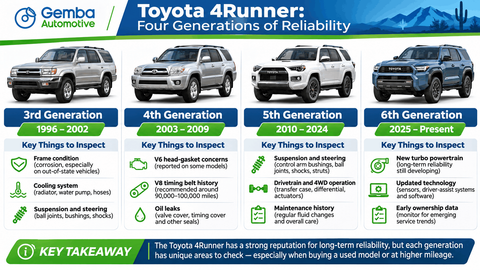
Different generations of 4Runners can have different issues. Here is a quick rundown to help understand the differences.
| Generation | Model Years | Key Considerations |
|---|---|---|
| Third | 1996–2002 | Frame corrosion, aging suspension, cooling-system condition |
| Fourth | 2003–2009 | V6 versus V8 differences, cooling-system history, engine condition |
| Fifth | 2010–2024 | Suspension wear, maintenance history, drivetrain condition |
| Sixth | 2025–present | New turbocharged powertrain, limited long-term reliability data |
Third Generation: 1996–2002
The third-gen 4Runner is a classic – it’s popular with people who appreciate the straightforward, no-frills design and its off-road capabilities. With some examples approaching three decades old, frame corrosion, worn suspension components and cooling-system issues are real concerns. You'll also want to review the vehicle's maintenance history whenever possible. When you’re considering a third-gen 4Runner, it’s more about the maintenance than it is about finding a particular model year. On older examples, check lower ball-joint condition and whether any applicable safety recalls have been addressed.
Fourth Generation: 2003–2009
The fourth-generation 4Runner offered buyers V6 performance with the 4.0-liter or the ability to tow with a hefty 4.7-liter V8. Some of the early V6 models have documented head gasket complaints while the V8 option uses a timing belt that requires scheduled replacement.
With either powerplant, the maintenance history is important and regardless of which option you go for, if it has been neglected it will become an expensive problem to fix at some point. For V8 models, confirm timing belt replacement records against the applicable Toyota maintenance schedule. On vehicles equipped with X-REAS suspension, inspect the hydraulic lines and shock assemblies for leaks.
Fifth Generation: 2010–2024
If you’re looking for an established 4Runner platform without going to a significantly older SUV, the fifth generation is worth considering. Its long production run provides extensive ownership history. Maintenance, mileage and how it has been used remain the biggest indicators of its condition. Look for suspension wear, fluid leaks and proper four-wheel-drive operation. On models equipped with KDSS or X-REAS, inspect the applicable hydraulic suspension components for leaks or damage.
Sixth Generation: 2025–Present
All good things must eventually come to an end, like the fifth gen 4Runner. In its place though is a great-looking SUV with a whole new powerplant. Out with the old naturally aspirated V6 and say hello to the new turbocharged 2.4-liter, four-cylinder engine with an option for the i-FORCE MAX hybrid powertrain. Both powerplants use the eight-speed automatic transmission.
With the newer tech, there are different maintenance items to consider even so the generation hasn’t been around for long enough to see if it will match the long-term durability and reliability of the other generations.
Best Toyota 4Runner Years: Which Are Worth Considering?
It makes sense that the first generation of 4Runners you’re likely to look at is the fifth gen. It’s a great place to start but that doesn’t mean it is the only option either. It offers an established powertrain, lots of parts availability, and long ownership history. The fourth generation has an available V8 for those who want one. But like any vehicle out there, sometimes the 2012 model year is a better buy than the 2022 just because of how it has been maintained and cared for.
Toyota 4Runner Years to Research Carefully
It’s easy to get caught up online in lists of the best and worst 4Runner years. Those lists often don’t provide the full picture. Early fourth-generation V6 models deserve additional research because of reported head-gasket concerns, while older third-generation models warrant careful inspection for corrosion and age-related deterioration. The sixth-generation 4Runner introduces substantially different powertrain technology. While newer models may offer improved performance and features, there isn’t yet enough long-term ownership data to determine whether they will match the durability of previous generations.
Before you sign the dotted line to buy a new 4Runner, check the VIN for any safety recalls and remember that a recall, an owner complaint and a documented mechanical failure aren't interchangeable. Each provides different information about a vehicle's potential reliability.
How Long Do Toyota 4Runners Last?
Since Toyota has a reputation for reliability, it’s not surprising or uncommon for a well-maintained 4Runner to sail past 200,000 miles. Of course, there isn’t a guaranteed “it will reach this number of miles.” It all comes down to the engine condition, transmission, cooling system, and driving habits of yourself or previous owners.
Is a Toyota 4Runner With 200,000 Miles Worth Buying?
A 4Runner with 200,000 miles can be worth buying if it has been well maintained throughout its life, you will want to do as much research as you can into the particular vehicle rather than just assuming because it’s a Toyota it will run forever. If possible, look into the maintenance records, check for leaks and corrosion, and have it inspected to see if any potential repairs are quickly approaching.
Common Toyota 4Runner Problems After 100,000 Miles
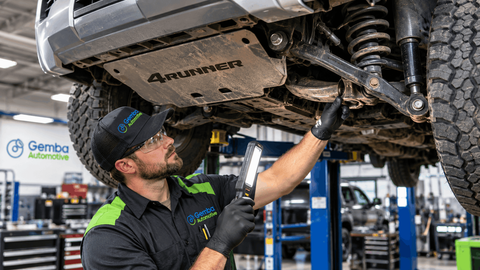
Once a 4Runner hits six-figure miles, it doesn’t mean you should necessarily trade it in, but it does mean you might need to give it some more love in a few areas and inspect a few areas like:
- Suspension bushings, ball joints and shocks.
- Radiator, hoses, water pump and coolant condition.
- Engine oil leaks and fluid levels.
- Transmission and differential operation.
- Transfer case and four-wheel-drive engagement.
- Steering components, brakes and tires.
Toyota 4Runner Maintenance in Arizona
Arizona offers its own challenges when it comes to maintaining a Toyota 4Runner. Prolonged summer heat places additional demands on the cooling system, battery and air conditioning, while dusty conditions can accelerate air filter contamination.
If you regularly explore trails around Four Peaks, the Superstition Mountains or Table Mesa, pay particular attention to suspension components, steering, tires, CV axle boots and undercarriage damage. Off-road driving can also warrant more frequent inspections of drivetrain fluids, depending on operating conditions and Toyota’s maintenance recommendations.
Even Arizona-owned 4Runners deserve a frame inspection, particularly if they have spent time in northern Arizona during winter or were previously registered in states where road salt is commonly used.
Frequently Asked Questions About Toyota 4Runners
Is the Toyota 4Runner a reliable SUV?
The Toyota 4Runner has an established reputation for durability, particularly among older generations with extensive ownership history. Individual reliability depends on maintenance, mileage and condition.
What are the most common Toyota 4Runner problems?
Potential concerns include suspension wear, cooling-system deterioration, oil leaks and drivetrain issues. Specific problems vary by generation and engine.
Which Toyota 4Runner years are the most reliable?
The fifth-generation 2010–2024 models are worth considering because of their established powertrain and ownership history. No single year guarantees reliability.
Are there Toyota 4Runner years to avoid?
Some early fourth-generation V6 models warrant closer research for reported head-gasket problems. Vehicle condition and maintenance records should guide purchasing decisions.
How long do Toyota 4Runners typically last?
Many well-maintained 4Runners can reach 200,000 miles or more, but lifespan varies considerably with maintenance, usage and mechanical condition.
Is it smart to buy a Toyota 4Runner with 200,000 miles?
It can be, provided the vehicle has a documented maintenance history, passes a comprehensive inspection and is priced appropriately.
Are Toyota 4Runner transmission problems common?
Transmission concerns vary by generation and vehicle condition. Unusual shifting, slipping or delayed engagement should be professionally diagnosed.
What should I inspect on a Toyota 4Runner after 100,000 miles?
Focus on suspension components, cooling-system condition, fluid leaks, transmission operation, four-wheel-drive function, brakes and tires.
Driving a Toyota 4Runner? Keep It Ready for the Road Ahead.
The Toyota 4Runner has earned its reputation as a durable SUV, but even dependable vehicles need attention as the miles add up.
Whether you're shopping for a used 4Runner or maintaining one you've owned for years, Gemba Automotive can help you understand its mechanical condition and recommended repairs.
Our ASE-certified technicians provide comprehensive inspections, including digital vehicle inspections with photos, along with engine diagnostics, cooling-system service, suspension repairs and drivetrain evaluations.
With 9 locations throughout the Phoenix metro area, Gemba Automotive is here to help keep your 4Runner ready for wherever the road takes you.