
Vehicle Inspection Guide for Phoenix Drivers
Reviewed by Eric Shepherd, Gemba Automotive ASE-Certified Technician
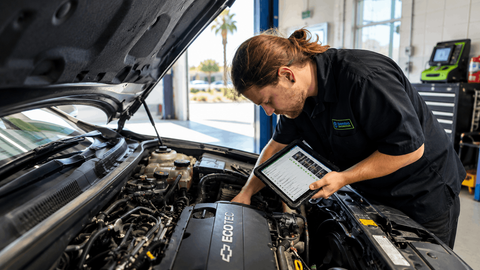
Regular vehicle inspections help Phoenix drivers prevent breakdowns, improve safety, and catch expensive problems early, especially before Arizona summer heat puts extra stress on major systems. During a professional inspection, technicians check brakes, tires, fluids, suspension, steering, lights, and other critical components to ensure your vehicle remains safe and reliable.
Each year there comes a point when Phoenix drivers start to notice the steering wheel is too hot to touch by lunchtime and it feels like an oven was opened when the car door is unlocked after work. At Gemba Automotive, we have found that the best time to inspect your vehicle before summer is during the late spring or early summer and once again in the fall to prep it for winter.
One of the biggest responsibilities an Arizona driver faces is ensuring their vehicle's safety and performance because nobody wants to end up stranded on the 101 in 115-degree heat waiting for a tow truck. One of the most effective ways to keep your vehicle on the road for years to come is through regular vehicle inspections.
What is a Vehicle Inspection?
A vehicle inspection covers all the major components that make a vehicle safe to drive on the road. Our technicians will check everything from brakes and tires, to lights, mirrors and fluids. Basically, everything your car needs to function as it should.
What Is a Vehicle Safety Inspection in Arizona?
It is important to note that in Arizona, the term "safety inspection" can mean two very different things depending on who is performing it and why.
The Arizona Department of Transportation, ADOT, will perform vehicle safety inspections to verify that a vehicle meets certain legal and operational standards before it can be titled, registered, or returned to the road.
While uncommon, there are a few situations in which a Phoenician might need an inspection performed by ADOT, such as if a vehicle has been declared a salvage vehicle and repaired, if a vehicle is brought into Arizona from another state, or sometimes if an older vehicle has been extensively restored and the VIN plate was damaged or lost during the process.
During this type of inspection, the ADOT inspector will look at many of the same components as one of our technicians during a normal inspection at a Gemba Automotive shop. One of the key differences is that a Gemba inspection is much more detailed mechanically and is designed to identify wear and tear, prevent future breakdowns, and recommend repairs.
What Is a Digital Vehicle Inspection (DVI)?
One of the most popular types of inspections we see at the shop is a Digital Vehicle Inspection, also called a DVI. A DVI is a full check-up for your vehicle. Our technicians will inspect the parts of your vehicle and take photos that will be shown to you, so that you can see what is in good shape and what may need to be repaired soon.
Vehicle Inspection Checklist: What Technicians Actually Check
Here are some common areas that are typically examined during a vehicle inspection:
Transmission and Exhaust System Checks
Regardless of whether your vehicle has a manual or automatic transmission, our technicians will inspect the transmission system for leaks, signs of wear, unusual noises, and fluid condition to ensure everything is operating properly.
Our technicians will inspect the exhaust system for anything that could affect safety, emissions, noise levels, or drivability. We are looking for cracked or bent pipes, issues with the muffler or catalytic converters.
Suspension, Steering, and Alignment
If you have ever wondered why your vehicle has an incredibly smooth ride that makes traversing from freeway expansion joints on the 10 to potholes after monsoon season seem like a breeze, you can thank your suspension. Our inspection techs will go through the suspension and ensure none of the shocks or struts are leaking or otherwise damaged.
Steering components will be checked during inspection to ensure that they are responsive, and nothing is loose or in danger of failing. Our mechanics may also perform an alignment check to ensure the vehicle drives straight and the tires wear evenly.
Tire and Brake Inspections
During an inspection, our technicians will check the vehicle's tires to examine the level of tread and check if any defects are present, especially after years of baking on scorching Phoenix pavement. It's always good to check the spare tire (if there is one) to ensure it is road-ready should it ever be needed.
Because the Greater Phoenix area is so large and spans more than 14,500 square miles, and many drivers commute long distance, stop-and-go traffic puts constant stress on the braking system. Our techs will check to see if the brake pads or rotors are worn, evaluate if they need to be replaced, and check if there are any brake fluid leaks.
Fluid Checks in Arizona Heat
Arizona is known for its dry heat. Many fluids will evaporate quickly in the Phoenix sun. During an inspection, our technicians will check all essential fluids, including the engine oil, coolant, brake fluid, and transmission fluid to ensure everything is topped off at the right level.
Lights, Wipers, and Mirrors
It may seem obvious, but being able to see and be seen on the road is crucial to your safety. Vehicle inspections include checking your hazard lights, headlights, taillights, brake lights, turn signals, and even license plate lights to ensure they are all in working order and none of the lightbulbs are burned out or need replacing.
Monsoon dust storms can turn visibility dangerous in seconds, which is why worn wiper blades matter more in Arizona than many drivers realize. Our technicians will examine the windshield for cracks or chips that could impair visibility. They also check the condition of the wiper blades and ensure the windshield washer system is working properly.
We have all been on the 60 in rush hour when changing lanes feels like you are entering a NASCAR race. Damaged mirrors make it even harder to safely react to fast-moving traffic around you, which is why inspectors make sure every mirror is secure and clearly visible.
Seat Belts and Airbag Safety
Seat belts save lives and that is why it is important to inspect the vehicle's seat belts and ensure they function properly. Technicians will ensure the seat belts do not have damage or frays and can lock into place. They also check airbag warning lights to ensure the system is operational.
Schedule a Vehicle Inspection Before Arizona Summer
At Gemba Automotive, our digital vehicle inspections help Phoenix drivers understand exactly what condition their vehicle is in before small issues become major repairs. If your vehicle has not been inspected recently, schedule an inspection before summer heat places additional stress on your brakes, battery, cooling system, and tires.
Frequently Asked Questions About Vehicle Inspections
How often should you get a vehicle inspection in Arizona?
Because Arizona heat places additional stress on fluids, batteries, tires, and cooling systems, many Phoenix drivers benefit from a professional vehicle inspection at least twice per year, especially before summer and before winter travel.
What does a vehicle inspection include?
A professional vehicle inspection typically includes checking brakes, tires, suspension, steering, lights, fluids, belts, hoses, windshield wipers, battery condition, and other important safety systems.
What is a digital vehicle inspection (DVI)?
A digital vehicle inspection uses photos and technician notes to show drivers the condition of their vehicle. This helps customers understand what repairs may be needed now and what services can wait.
How long does a vehicle inspection take?
Most vehicle inspections can be completed within about 30 minutes to an hour depending on the vehicle and the level of inspection being performed.
Can Arizona heat damage your car?
Yes. Extreme Phoenix heat can accelerate wear on batteries, cooling systems, tires, fluids, rubber hoses, and air conditioning components.