
Things Every First-Time Car Owner Should Know
Reviewed by Eric Shepherd, Gemba Automotive ASE-Certified Technician
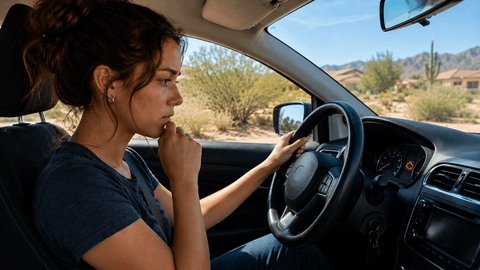
Buying your first car feels like freedom. Whether it's a hand-me-down, commuter car, or the vehicle you worked hard to purchase, ownership comes with responsibilities many drivers don't anticipate. Insurance, registration, maintenance, repairs, and unexpected breakdowns can quickly become expensive when basic vehicle care is ignored.
At Gemba Automotive, we regularly meet drivers who wish they had learned a few simple vehicle ownership lessons sooner. Understanding these fundamentals can help you avoid breakdowns, extend the life of your vehicle, and save thousands of dollars over time.
First-Time Car Owner Checklist
- Learn your vehicle's oil change interval
- Check tire pressure monthly
- Monitor fluid levels regularly
- Pay attention to warning lights
- Address unusual noises early
- Follow the maintenance schedule
- Build a relationship with a trusted repair shop
Before Arizona temperatures climb into the triple digits, the Arizona Department of Transportation recommends checking your battery, coolant levels, air conditioning system, and tire pressure to reduce the risk of heat-related vehicle problems. Many of those breakdowns can be prevented through routine maintenance and early attention to warning signs.
Oil Changes Are Not Optional
Engine oil lubricates moving components, reduces friction, regulates temperatures, and prevents premature wear. Delaying oil changes can lead to sludge buildup, overheating, poor fuel economy, and eventually severe engine damage requiring costly repairs.
Dashboard Warning Lights Matter
Warning lights are designed to alert drivers before small problems become major failures. A check engine light should be diagnosed promptly, while oil pressure, brake, battery, and temperature warning lights should never be ignored.
Tire Pressure Affects More Than You Think
Arizona heat causes tire pressures to fluctuate dramatically. Underinflated tires increase wear, reduce fuel economy, and raise blowout risk. Check pressures monthly and before road trips.
What Vehicle Fluids Should First-Time Car Owners Check?
Every driver should understand engine oil, coolant, brake fluid, windshield washer fluid, transmission fluid, and power steering fluid where applicable. Low fluid levels often indicate a leak or developing problem.
Arizona Heat Destroys Car Batteries Faster Than Most Drivers Realize
Extreme heat shortens battery life. Watch for slow cranking, dim headlights, warning lights, or repeated jump starts. Regular battery testing helps prevent unexpected failures.
Not Every Noise Is Normal
Squealing brakes, grinding sounds, engine knocking, suspension clunks, and whining during acceleration are warning signs that should be inspected before they become expensive repairs.
Preventative Maintenance Saves Money
Routine maintenance includes oil changes, tire rotations, brake inspections, fluid services, battery testing, air filter replacement, spark plug replacement, and belt and hose inspections.
How to Avoid Repair Scams
Look for written estimates, transparent explanations, digital inspections, and technicians willing to answer questions. Be cautious of pressure tactics and recommendations that cannot be supported with evidence.
Build a Relationship with a Trusted Shop
A trusted repair shop becomes familiar with your vehicle's history and can help you plan maintenance before problems become emergencies.
Frequently Asked Questions About First-Time Car Ownership
How often should a first-time car owner change their oil?
Most vehicles require oil changes every 5,000 to 10,000 miles depending on manufacturer recommendations and driving conditions.
How often should tire pressure be checked?
At least once per month and before any long road trip.
What dashboard warning lights should never be ignored?
Oil pressure, engine temperature, brake system, battery charging system, and flashing check engine lights.
What maintenance should every first-time car owner prioritize?
Oil changes, tire rotations, brake inspections, battery testing, fluid inspections, and filter replacements.
How do I find a trustworthy repair shop?
Look for ASE-certified technicians, transparent communication, written estimates, digital inspections, and strong customer reviews.
Your Vehicle Is Talking to You
Vehicles usually provide warning signs before something goes wrong. Warning lights, unusual noises, fluid leaks, vibrations, and performance changes are all ways your vehicle communicates that it needs attention.
By staying proactive and addressing concerns early, you can avoid many costly repairs and unexpected breakdowns. If you're unsure about a warning light, unusual noise, or maintenance recommendation, the team at Gemba Automotive is always happy to help.